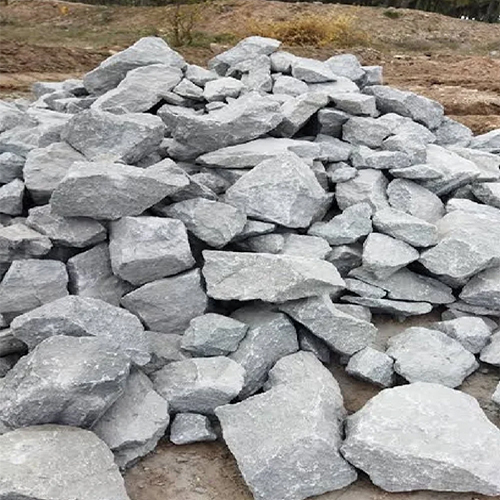
200mm Solid Construction Crushed Stone
| Color | Gray |
|---|---|
| Form | Solid |
| Usage/Application | Construction |
| Type | Crushed Stone |
| Material | Stone |
| Yield | 95 % |
| Size | 200 mm |
Common Uses of Crushed Stone
- Concrete Production: Crushed stone is a key ingredient in concrete.
- Road Construction: Used as a base material for roads and highways.
- Drainage Systems: Allows water to flow through easily.
- Railroad Ballast: Supports railway track structures.
- Landscaping: Used for walkways and decorative ground cover.
- Backfill and Foundation: Used around foundations for support.
Advantages of Crushed Stone
- Versatility: Used in many construction applications.
- Strength: Improves durability of concrete.
- Easy to Handle: Compacts well for stable foundations.
- Cost Effective: Affordable construction material.
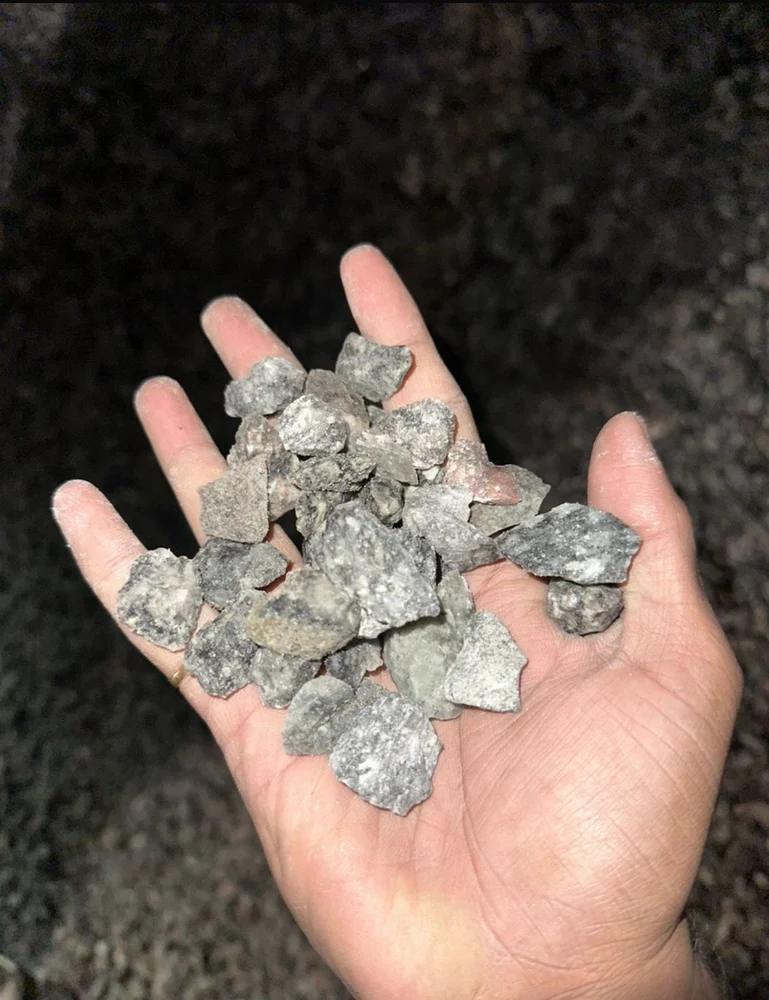
18mm Chips Construction Crushed Stone
| Color | Gray |
|---|---|
| Form | Chips |
| Usage/Application | Construction |
| Stone Type | Crushed Stone |
| Size | 18 mm |
| Water Absorption | 3 % |
| Yield | 96.5 % |
Common Uses of Crushed Stone
- Concrete Production: Crushed stone is a key ingredient in concrete, providing bulk and strength.
- Road Construction: Crushed stone is used as a base material for roads, driveways, and highways.
- Drainage Systems: Its angular shape allows water to flow easily through the gaps.
- Railroad Ballast: Used along railroad tracks to support track structure.
- Landscaping: Used for walkways and decorative garden ground cover.
- Backfill and Foundation Material: Used around foundations for drainage and support.
Advantages of Crushed Stone
- Versatility: Suitable for many construction and landscaping applications.
- Strength: Enhances durability when used in concrete.
- Easy to Handle: Compacts well to create stable bases.
- Cost-Effective: More affordable compared to many building materials.
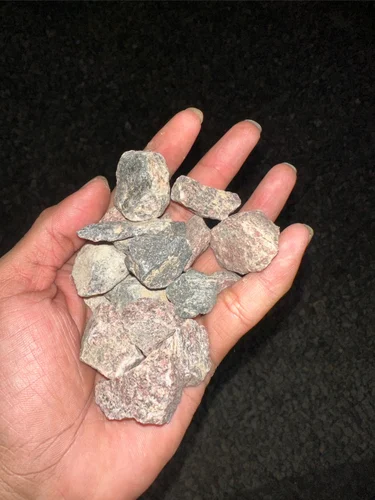
20mm Solid Construction Crushed Stone
Product Details
| Minimum Order Quantity | 42 Tonne |
|---|---|
| Color | Gray |
| Form | Solid |
| Usage/Application | Construction |
| Type | VSI |
| Size | 20 mm |
| Material | Crushed Stone |
| Yield | 90 % |
Common Uses of Crushed Stone
- Concrete Production: Crushed stone is a key ingredient in concrete, providing bulk and strength. It is typically mixed with cement, water, and sand to form concrete.
- Road Construction: Crushed stone is used as a base material in the construction of roads, driveways, and highways. It is laid down in layers to create a solid foundation that can support heavy loads.
- Drainage Systems: Its angular shape helps create spaces between the particles, allowing water to flow through easily. It is commonly used in French drains and under driveways.
- Railroad Ballast: Crushed stone is placed along railroad tracks to support the track structure and provide drainage.
- Landscaping: Smaller sizes of crushed stone are used for decorative purposes such as pathways or garden ground cover.
- Backfill and Foundation Material: Crushed stone is used around foundations to improve drainage and provide structural support.
Advantages of Crushed Stone
- Versatility: Crushed stone can be used in many different construction and landscaping applications.
- Strength: When used in concrete, crushed stone increases the strength and durability of the final structure.
- Easy to Handle: The angular shape makes it easy to compact and create stable bases.
- Cost-Effective: Crushed stone is relatively inexpensive compared to many other construction materials.
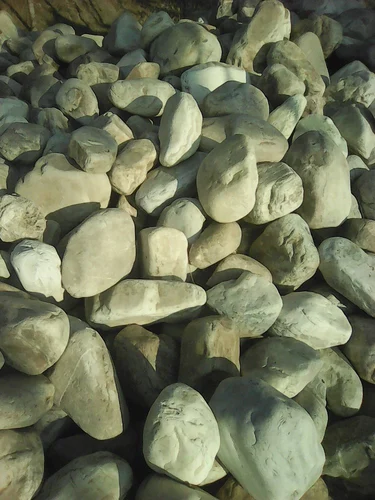
150Mm Solid Construction Crushed Stone
Product Details
| Minimum Order Quantity | 500 Tonne |
|---|---|
| Product Form | Boulder |
| Usage/Application | Construction |
| Color | Black |
| Type | Crushed Stone |
| Form | Solid |
| Size | 150 mm |
| Material | Stone |
| Yield | 90 % |
Common Uses of Crushed Stone
- Concrete Production: Crushed stone is a key ingredient in concrete, providing bulk and strength. It is typically mixed with cement, water, and sand to form concrete.
- Road Construction: Crushed stone is used as a base material in the construction of roads, driveways, and highways. It is laid down in layers to create a strong foundation that supports heavy loads.
- Drainage Systems: Its angular shape allows water to flow through easily, making it useful in drainage systems and French drains.
- Railroad Ballast: Crushed stone is placed along railway tracks to support the track structure and allow proper drainage.
- Landscaping: Smaller sizes of crushed stone are often used for decorative landscaping such as walkways or garden surfaces.
- Backfill and Foundation Material: Crushed stone is used around foundations to improve drainage and provide structural support.
Advantages of Crushed Stone
- Versatility: Crushed stone can be used in many construction and landscaping applications.
- Strength: When used in concrete, crushed stone increases the durability and strength of the final structure.
- Easy to Handle: The angular shape allows it to compact easily, creating stable bases for construction projects.
- Cost-Effective: Crushed stone is an economical material compared to many other building materials.
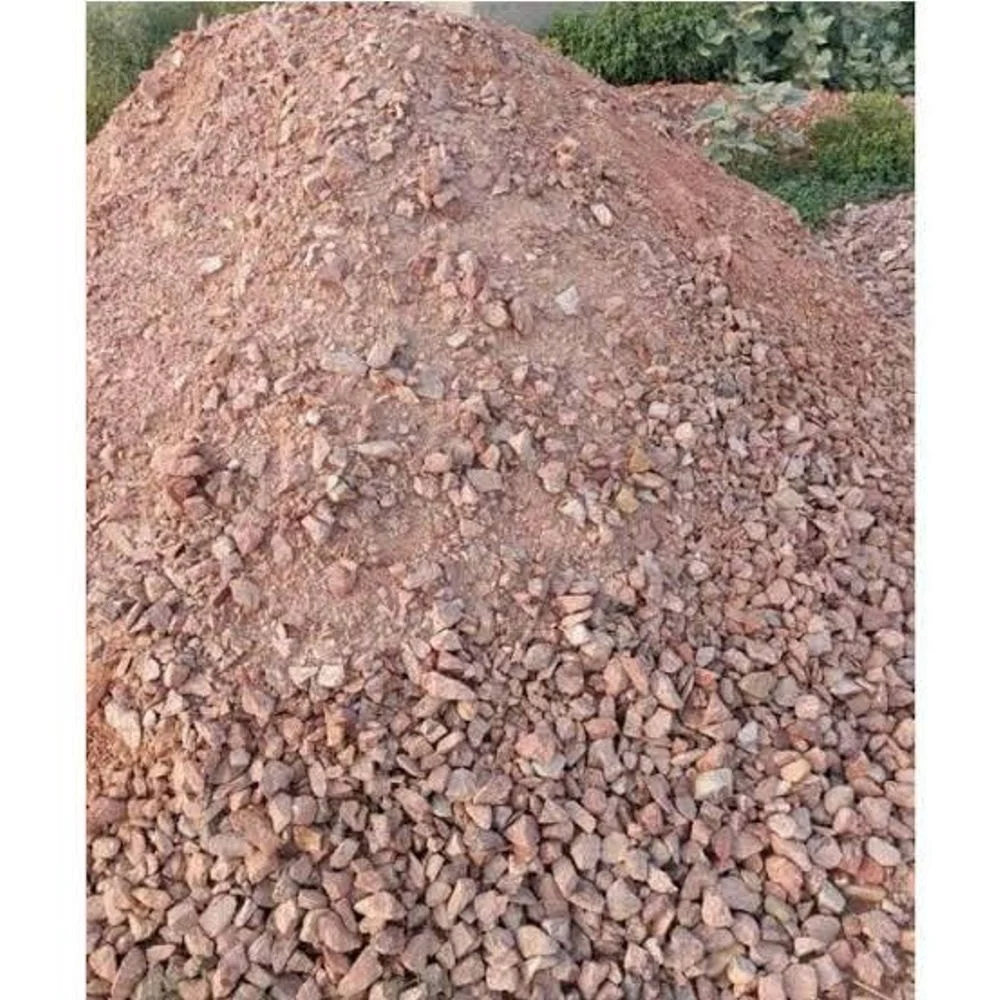
15mm Solid Construction Crushed Stone
Product Details
| Minimum Order Quantity | 1000 Tonne |
|---|---|
| Product Form | Crushed Stone |
| Usage/Application | Construction |
| Color | Gray |
| Type | Crushed Stone |
| Form | Solid |
| Size | 15 mm |
| Water Absorption | 3 % |
| Yield | 98.5% |
Common Uses of Crushed Stone
- Concrete Production: Crushed stone is a key ingredient in concrete, providing bulk and strength. It is typically mixed with cement, water, and sand to form concrete.
- Road Construction: Crushed stone is used as a base material in the construction of roads, driveways, and highways. It is laid down in layers to create a solid foundation capable of supporting heavy loads.
- Drainage Systems: Its angular shape creates spaces between particles allowing water to flow through easily. It is commonly used in French drains and drainage layers.
- Railroad Ballast: Crushed stone is used along railway tracks to support the track structure and improve drainage.
- Landscaping: Smaller sizes of crushed stone are used for decorative landscaping such as pathways and garden ground cover.
- Backfill and Foundation Material: Crushed stone is used around foundations to improve drainage and provide structural support.
Advantages of Crushed Stone
- Versatility: Crushed stone can be used in many construction and landscaping applications.
- Strength: When used in concrete, crushed stone increases the durability and strength of the final structure.
- Easy to Handle: Its angular shape makes it easy to compact and create stable bases.
- Cost-Effective: Crushed stone is relatively inexpensive compared to many other building materials.
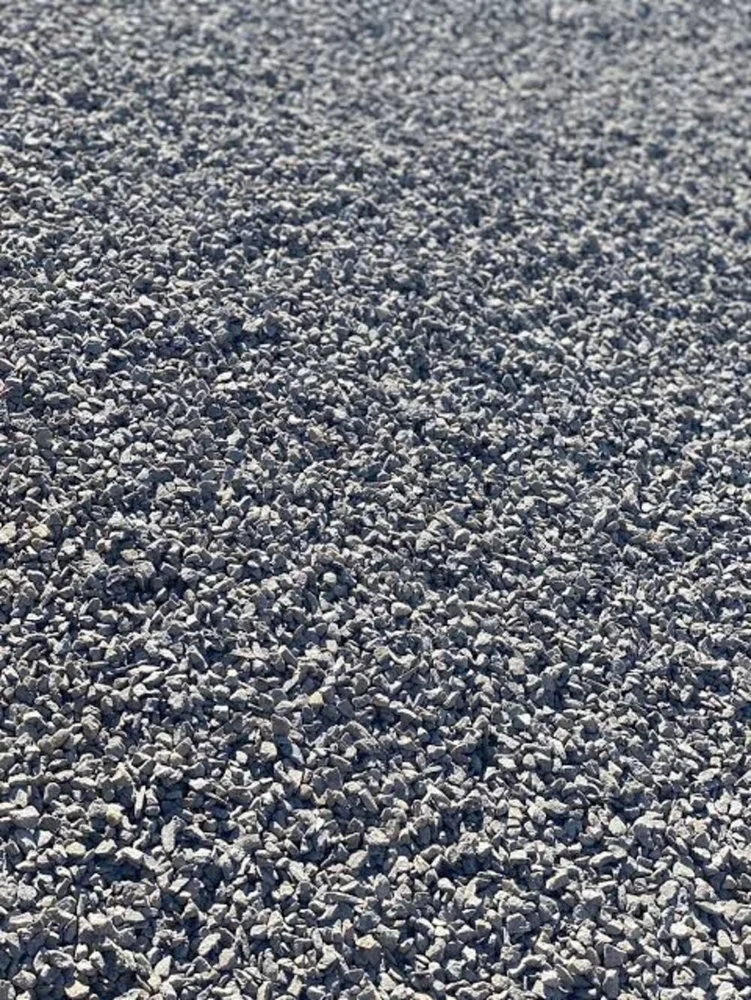
10Mm Solid Construction Crushed Stone
Product Details
| Minimum Order Quantity | 40 Tonne |
|---|---|
| Product Form | Construction Stone |
| Usage/Application | Construction |
| Color | Black |
| Size | 10 mm |
| Stone Type | Crushed Stone |
| Water Absorption | 2 % |
| Yield | 97.5 % |
| Form | Chips |
Common Uses of Crushed Stone
- Concrete Production: Crushed stone is a key ingredient in concrete, providing bulk and strength. It is mixed with cement, water, and sand to form durable concrete.
- Road Construction: Crushed stone is used as a base material in road construction, creating strong foundations for highways and driveways.
- Drainage Systems: The angular shape allows water to flow easily through gaps, making it useful for drainage layers and French drains.
- Railroad Ballast: Crushed stone supports railway tracks and helps maintain proper drainage.
- Landscaping: Smaller sizes are used for decorative landscaping such as garden pathways and ground cover.
- Backfill and Foundation Material: Crushed stone is commonly used around foundations to improve drainage and stability.
Advantages of Crushed Stone
- Versatility: Suitable for many construction and landscaping applications.
- Strength: Improves the durability and strength of concrete structures.
- Easy to Handle: Its angular shape makes compaction easier for stable construction bases.
- Cost-Effective: Crushed stone is an economical building material.
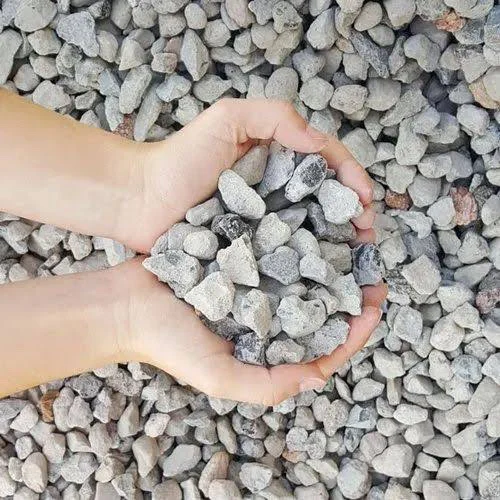
25mm Solid Construction Crushed Stone
Product Details
| Minimum Order Quantity | 42 Tonne |
|---|---|
| Product Form | Crushed Stone |
| Usage/Application | Road Construction |
| Color | Gray |
| Form | Solid |
| Size | 25 mm |
| Material | Stone |
| Water Absorption | 5 % |
| Packaging Type | Loose |
Common Uses of Crushed Stone
- Concrete Production: Crushed stone is a key ingredient in concrete, providing bulk and strength. It is mixed with cement, water, and sand to form durable concrete.
- Road Construction: Crushed stone is widely used as a base material in the construction of roads, driveways, and highways.
- Drainage Systems: The angular shape allows water to flow easily through the gaps, making it suitable for drainage layers.
- Railroad Ballast: Crushed stone is placed along railway tracks to support the structure and improve drainage.
- Landscaping: Smaller sizes are used for decorative landscaping such as pathways and garden ground cover.
- Backfill and Foundation Material: Crushed stone is commonly used around foundations to improve drainage and stability.
Advantages of Crushed Stone
- Versatility: Crushed stone can be used in many construction and landscaping applications.
- Strength: When used in concrete, crushed stone increases the strength and durability of structures.
- Easy to Handle: Its angular shape makes it easy to compact and create stable bases.
- Cost-Effective: Crushed stone is an economical building material.
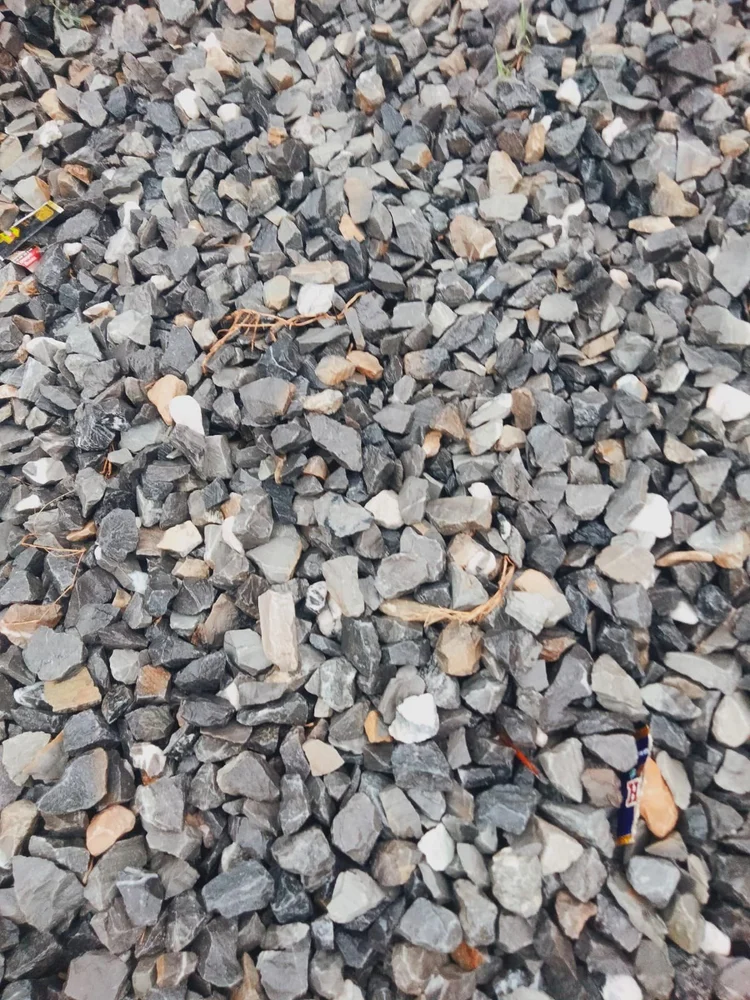
65Mm Solid Construction Crushed Stone
Product Details
| Minimum Order Quantity | 500 Tonne |
|---|---|
| Product Form | Boulder |
| Material | Bluestone |
| Usage/Application | Construction |
| Shape | Flaky |
| Color | Black |
| Type | Crushed Stone |
| Form | Solid |
| Size | 65 mm |
| Pack Type | Loose |
| Yield | 95 % |
Common Uses of Crushed Stone
- Concrete Production: Crushed stone is a key ingredient in concrete, providing bulk and strength. It is typically mixed with cement, water, and sand to form concrete.
- Road Construction: Crushed stone is used as a base material in the construction of roads, driveways, and highways. It is laid down in layers to create a strong foundation that supports heavy loads.
- Drainage Systems: Its angular shape allows water to pass through easily, making it suitable for drainage systems and French drains.
- Railroad Ballast: Crushed stone is placed along railway tracks to support the structure and provide drainage.
- Landscaping: Smaller sizes of crushed stone are used for decorative landscaping such as pathways and garden ground cover.
- Backfill and Foundation Material: Crushed stone is used around foundations to improve drainage and structural stability.
Advantages of Crushed Stone
- Versatility: Crushed stone can be used in many different construction and landscaping applications.
- Strength: When used in concrete, crushed stone enhances the strength and durability of the final product.
- Easy to Handle: Its angular shape makes it easy to compact and create stable construction bases.
- Cost-Effective: Crushed stone is relatively inexpensive compared to many other building materials.
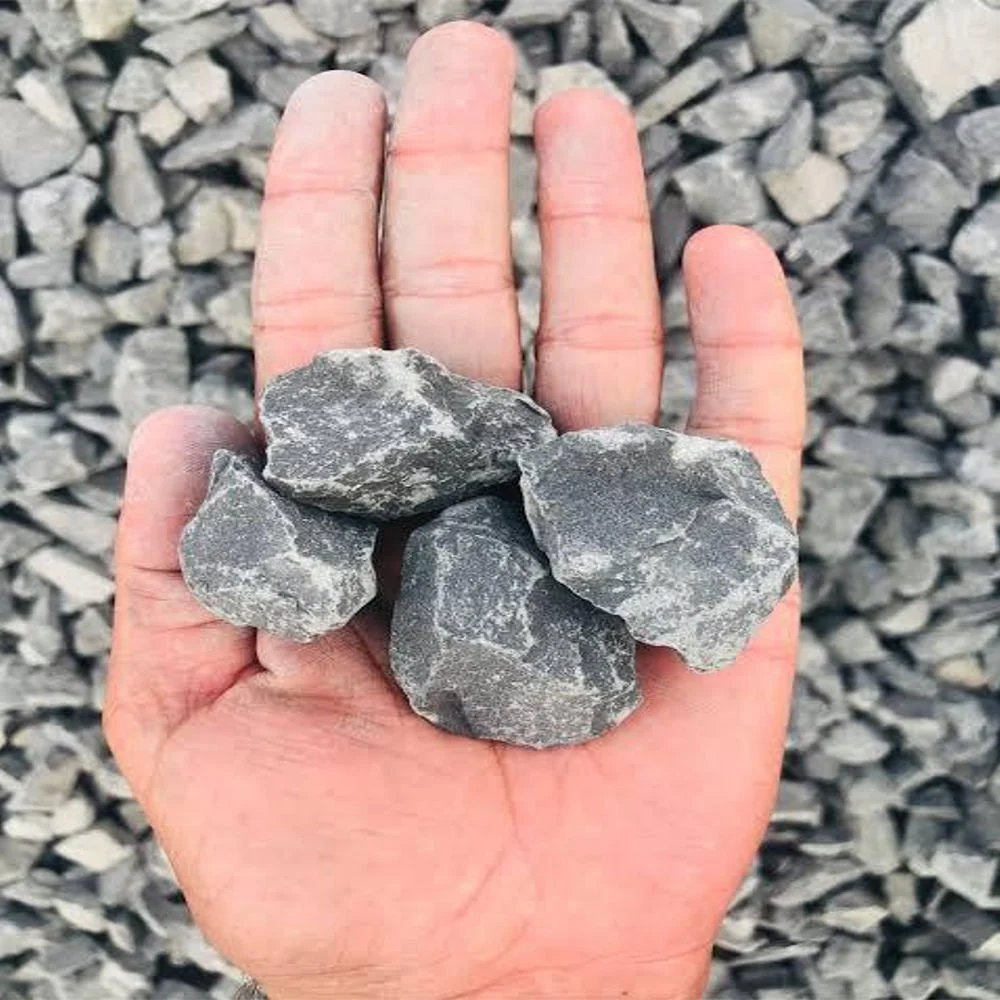
45mm Solid Construction Crushed Stone
Product Details
| Minimum Order Quantity | 1 Tonne |
|---|---|
| Product Form | Crushed Stone |
| Usage/Application | Construction |
| Color | Gray |
| Form | Solid |
| Size | 45 mm |
| Yield | 98% |
| Water Absorption | 3.5 % |
| Stone Type | Crushed Stone |
Common Uses of Crushed Stone
- Concrete Production: Crushed stone is a key ingredient in concrete, providing bulk and strength. It is mixed with cement, water, and sand to form concrete.
- Road Construction: Crushed stone is used as a base material in the construction of roads, driveways, and highways to create a strong foundation.
- Drainage Systems: The angular shape allows water to flow through easily, making it suitable for drainage applications.
- Railroad Ballast: Crushed stone is placed along railway tracks to support the track structure and provide drainage.
- Landscaping: Smaller sizes of crushed stone are used for decorative landscaping such as pathways and garden ground cover.
- Backfill and Foundation Material: Crushed stone is used around foundations to improve drainage and provide structural support.
Advantages of Crushed Stone
- Versatility: Crushed stone can be used in many construction and landscaping applications.
- Strength: When used in concrete, crushed stone enhances the strength and durability of the final structure.
- Easy to Handle: Its angular shape makes it easy to work with and compact for stable construction bases.
- Cost-Effective: Crushed stone is relatively inexpensive compared to many other building materials.
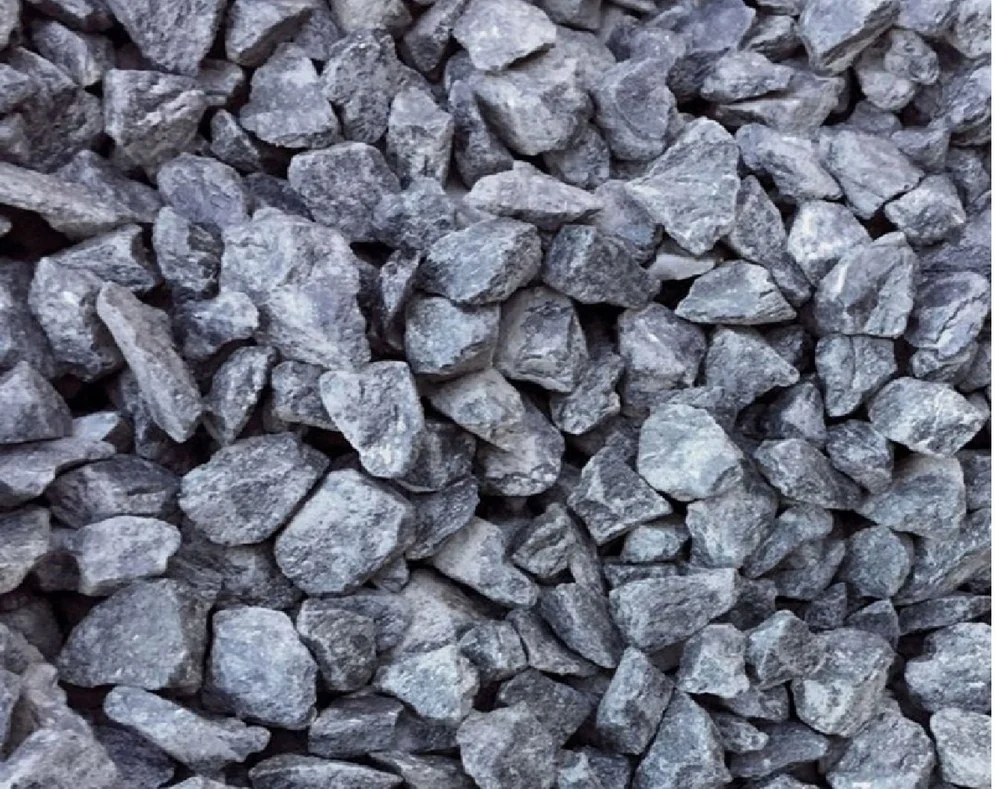
40mm Solid Construction Crushed Stone
Product Details
| Product Form | Crushed Stone |
|---|---|
| Form | Solid |
| Usage/Application | Construction |
| Color | Gray |
| Type | Crushed Stone |
| Size | 40 mm |
| Water Absorption | 0.5 % |
| Stone Type | Crushed Stone |
Common Uses of Crushed Stone
- Concrete Production: Crushed stone is a key ingredient in concrete, providing bulk and strength. It is mixed with cement, water, and sand to form concrete.
- Road Construction: Crushed stone is used as a base material in the construction of roads, driveways, and highways to create strong foundations.
- Drainage Systems: The angular shape allows water to pass easily through gaps, making it useful in drainage layers and French drains.
- Railroad Ballast: Crushed stone is used along railway tracks to support the structure and allow proper drainage.
- Landscaping: Smaller sizes of crushed stone are used for decorative landscaping such as pathways and garden surfaces.
- Backfill and Foundation Material: Crushed stone is commonly used around foundations to improve drainage and structural support.
Advantages of Crushed Stone
- Versatility: Crushed stone is suitable for many construction and landscaping applications.
- Strength: It enhances the strength and durability of concrete structures.
- Easy to Handle: Its angular shape allows easy compaction for stable bases.
- Cost-Effective: Crushed stone is an economical construction material.
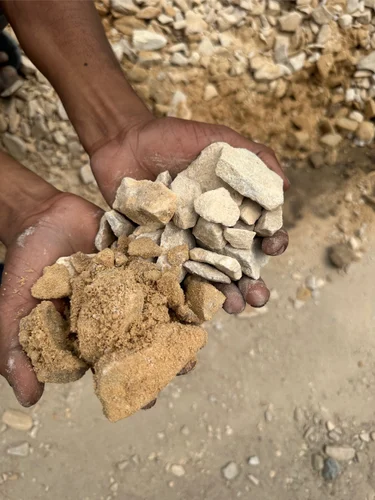
50Mm Solid Construction Crushed Stone
Product Details
| Minimum Order Quantity | 500 Tonne |
|---|---|
| Product Form | Gsb aggregate mix stones |
| Usage/Application | Road Construction |
| Color | White |
| Type | Gsb stone |
| Water Absorption | 3% |
| Stone Type | GSB |
| Size | 0 to 55 mm GSB |
| Form | Chips |
Common Uses of Crushed Stone
- Concrete Production: Crushed stone is a key ingredient in concrete, providing bulk and strength. It is typically mixed with cement, water, and sand to form concrete.
- Road Construction: Crushed stone is used as a base material in the construction of roads, driveways, and highways. It is laid down in layers to create a solid foundation that supports heavy loads.
- Drainage Systems: The angular shape allows water to flow easily through the gaps, making it useful in drainage systems and French drains.
- Railroad Ballast: Crushed stone is placed along railway tracks to support the structure and allow proper drainage.
- Landscaping: Smaller sizes of crushed stone are used for decorative landscaping such as pathways and garden ground cover.
- Backfill and Foundation Material: Crushed stone is used around foundations to improve drainage and structural stability.
Advantages of Crushed Stone
- Versatility: Crushed stone can be used in many construction and landscaping applications.
- Strength: When used in concrete, crushed stone enhances the strength and durability of the final product.
- Easy to Handle: Its angular shape makes it easy to compact and create stable bases for construction projects.
- Cost-Effective: Crushed stone is relatively inexpensive compared to other building materials.
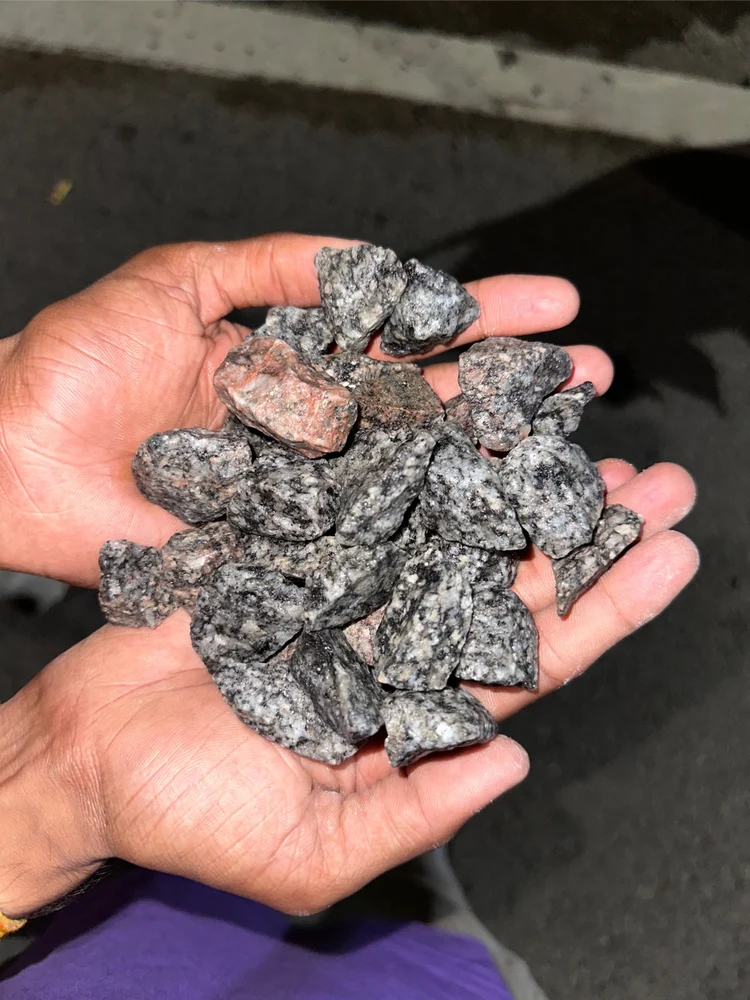
6Mm Solid Construction Crushed Stone
Product Details
| Minimum Order Quantity | 41 Tonne |
|---|---|
| Color | Gray |
| Usage/Application | Construction |
| Size | 6 mm |
| Yield | 98 % |
| Water Absorption | 2.5 % |
| Stone Type | Crushed Stone |
| Form | Chips |
Common Uses of Crushed Stone
- Concrete Production: Crushed stone is a key ingredient in concrete, providing bulk and strength. It is mixed with cement, water, and sand to form durable concrete.
- Road Construction: Crushed stone is used as a base material in road construction, creating strong foundations for highways and driveways.
- Drainage Systems: The angular shape allows water to flow easily through gaps, making it suitable for drainage layers and French drains.
- Railroad Ballast: Crushed stone is placed along railway tracks to support the structure and improve drainage.
- Landscaping: Smaller sizes of crushed stone are used for decorative landscaping such as pathways and garden ground cover.
- Backfill and Foundation Material: Crushed stone is used around foundations to improve drainage and structural stability.
Advantages of Crushed Stone
- Versatility: Crushed stone can be used in many construction and landscaping applications.
- Strength: It enhances the strength and durability of concrete structures.
- Easy to Handle: Its angular shape allows easy compaction for stable bases.
- Cost-Effective: Crushed stone is an economical building material.
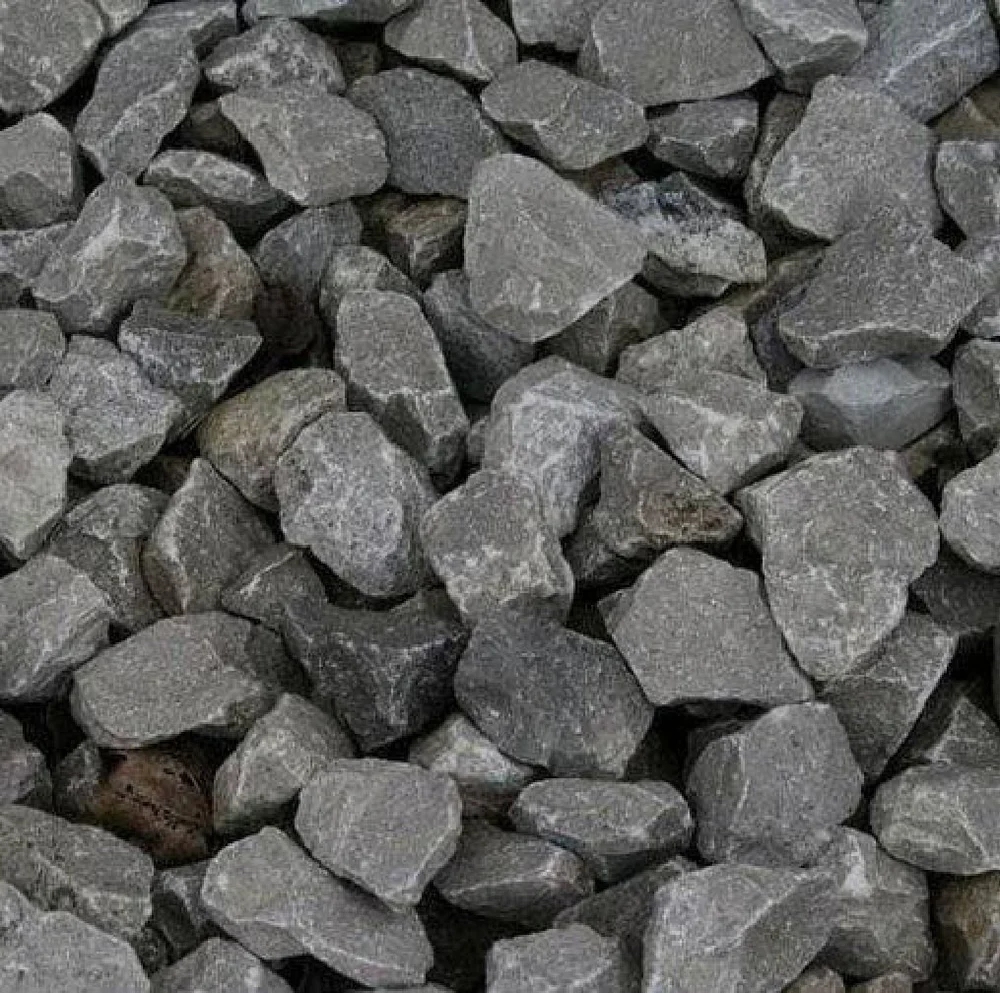
60mm Solid Construction Crushed Stone
Product Details
| Color | Gray |
|---|---|
| Form | Solid |
| Usage/Application | Construction |
| Water Absorption | 3 % |
| Stone Type | Crushed Stone |
| Size | 60 mm |
| Yield | 95.5% |
Common Uses of Crushed Stone
- Concrete Production: Crushed stone is a key ingredient in concrete, providing bulk and strength. It is typically mixed with cement, water, and sand to form concrete.
- Road Construction: Crushed stone is used as a base material in road construction, forming strong foundations for highways and driveways.
- Drainage Systems: The angular shape creates gaps between stones, allowing water to pass easily through drainage layers.
- Railroad Ballast: Crushed stone is used along railway tracks to support the track structure and ensure proper drainage.
- Landscaping: Smaller sizes of crushed stone are often used for decorative landscaping, pathways, and garden surfaces.
- Backfill and Foundation Material: Crushed stone is commonly used around foundations to improve drainage and stability.
Advantages of Crushed Stone
- Versatility: Crushed stone can be used in many construction and landscaping applications.
- Strength: It improves the strength and durability of concrete and other construction materials.
- Easy to Handle: Its angular shape allows easy compaction and stable base formation.
- Cost-Effective: Crushed stone is an economical material widely used in construction.
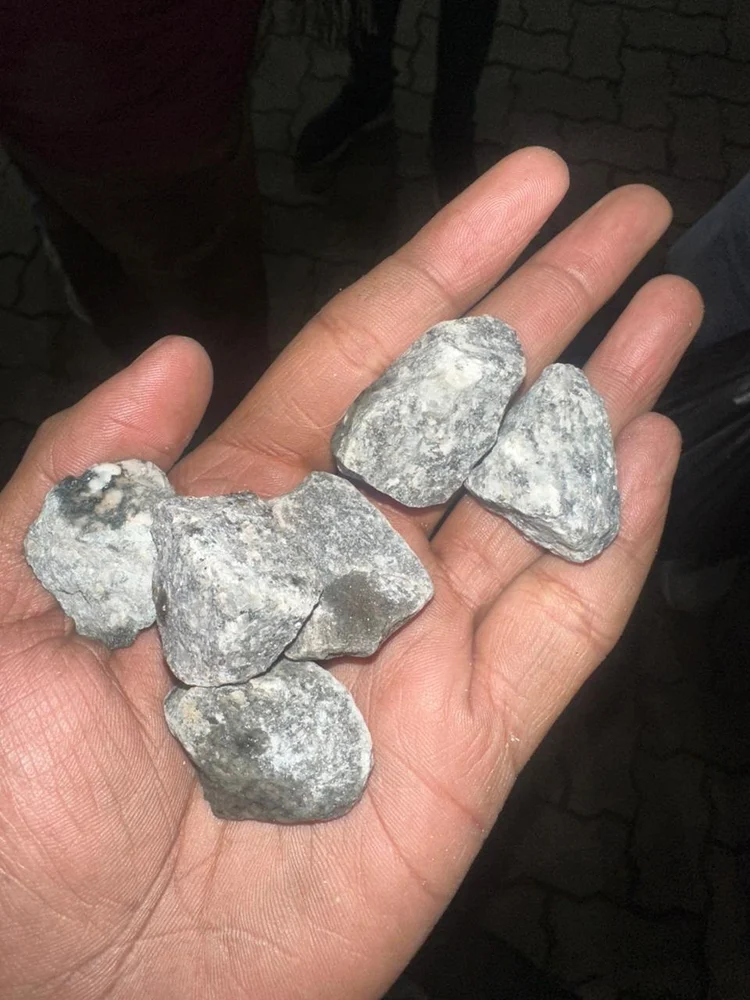
35mm Solid Construction Crushed Stone
Product Details
| Product Form | Crushed Stone |
|---|---|
| Form | Solid |
| Usage/Application | Construction |
| Color | Gray |
| Size | 35 mm |
| Water Absorption | 3.5 % |
| Stone Type | Crushed Stone |
| Yield | 97 % |
Common Uses of Crushed Stone
- Concrete Production: Crushed stone is a key ingredient in concrete, providing bulk and strength. It is typically mixed with cement, water, and sand to form concrete.
- Road Construction: Crushed stone is used as a base material in road construction, creating strong foundations for highways and driveways.
- Drainage Systems: The angular shape allows water to flow through easily, making it suitable for drainage systems and French drains.
- Railroad Ballast: Crushed stone is placed along railway tracks to support the structure and allow proper drainage.
- Landscaping: Smaller sizes of crushed stone are used for decorative landscaping such as walkways and garden ground cover.
- Backfill and Foundation Material: Crushed stone is used around foundations to improve drainage and structural stability.
Advantages of Crushed Stone
- Versatility: Crushed stone can be used in many construction and landscaping applications.
- Strength: When used in concrete, crushed stone enhances the strength and durability of the final product.
- Easy to Handle: Its angular shape allows easy compaction and stable base formation.
- Cost-Effective: Crushed stone is an economical construction material.