
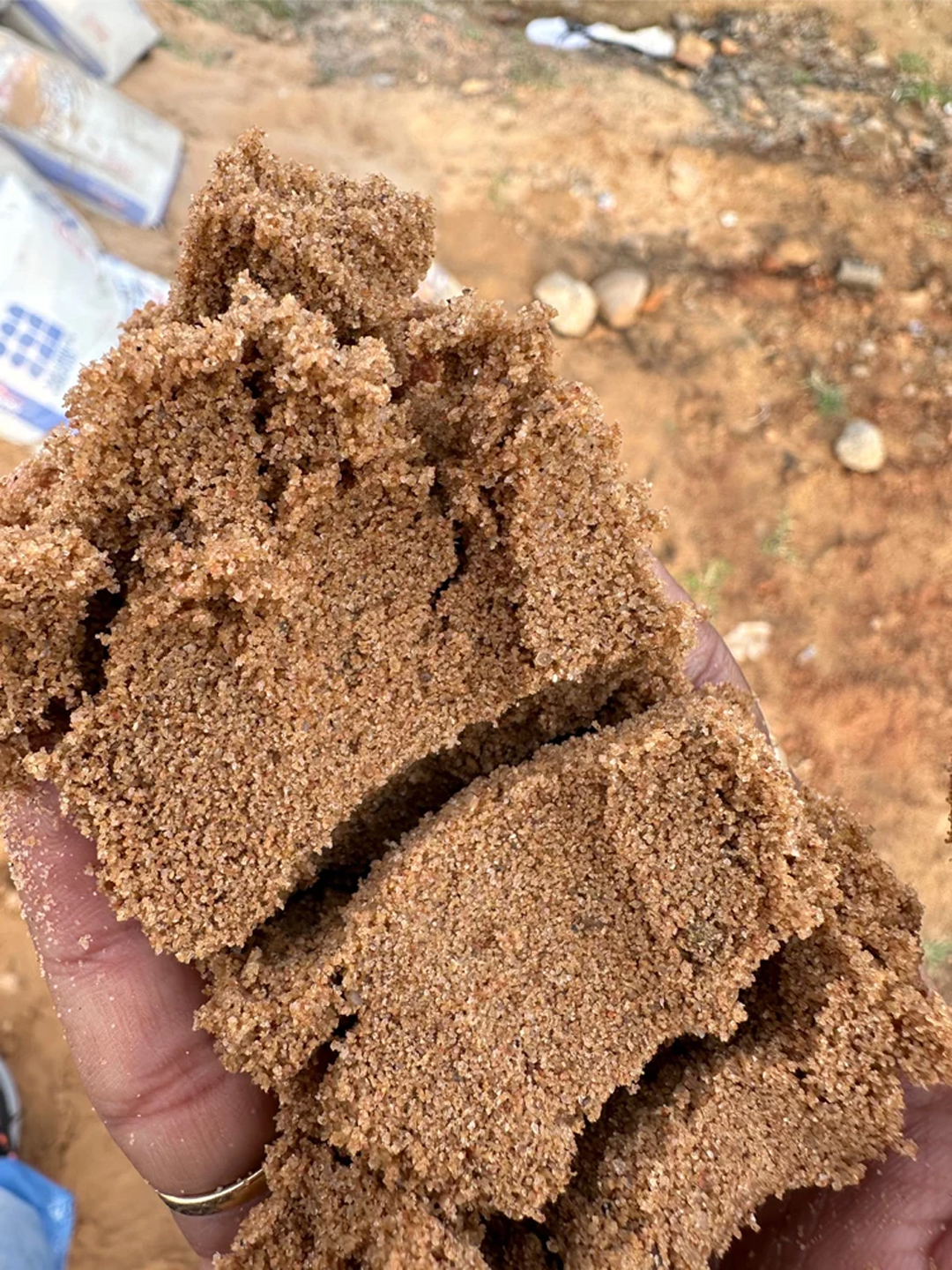
Brown Coarse Construction Sand
Product Details
| Color | Brown |
|---|---|
| Usage/Application | Construction |
| Grade | A Grade |
| Water Absorption | 3% |
| Packaging Type | Loose |
| Bulk Density | 1680 kg/m3 |
| Moisture | 10% |
Uses of Construction Sand
- Concrete Production: Sand is one of the primary components of concrete. It is mixed with cement and gravel or crushed stone to form concrete. The fine particles help improve workability and consistency.
- Masonry Work: Sand is a key ingredient in mortar used for bricklaying, plastering, and other masonry tasks. It helps bond materials together for strength and durability.
- Road Construction: Sand can be used as a base layer for roads or as a component in asphalt production, providing stability and proper drainage.
- Landscaping: Used for leveling surfaces, improving drainage, and filling gaps between paving stones.
- Backfilling: Sand compacts well and is often used for backfilling trenches or excavations.
- Fill Material: Used to level uneven surfaces or provide a stable base before laying foundations or slabs.
Advantages of Construction Sand
- Versatility: Sand is suitable for many construction and landscaping applications.
- Availability: Easily available from natural sources, making procurement simple.
- Workability: Fine sand improves the mixing and application of concrete and mortar.
- Cost-Effective: Sand is relatively inexpensive compared to many other building materials.
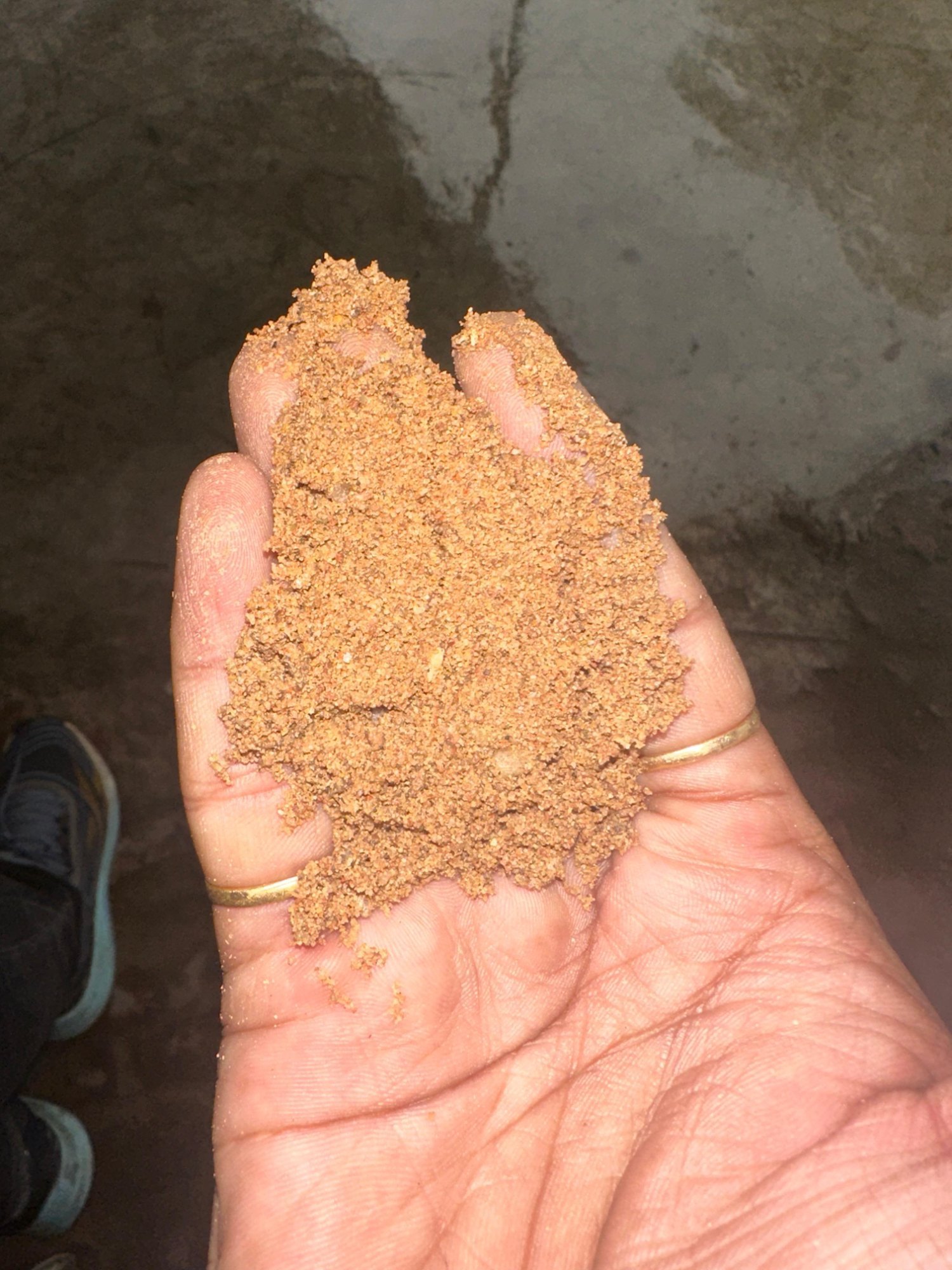
Yamuna River Pebbly Construction Sand
Product Details
| Minimum Order Quantity | 40 Tonne |
|---|---|
| Color | Brown |
| Usage/Application | Construction |
| Bulk Density | 1680 kg/m3 |
| Water Absorption | 3.5% |
| Moisture | 10% |
| Grade | A Grade |
| Packaging Type | Loose |
Uses of Construction Sand
- Concrete Production: Sand is one of the primary components of concrete. It is mixed with cement and gravel or crushed stone to form concrete. The fine particles help provide workability and consistency.
- Masonry Work: Sand is used in mortar for bricklaying, plastering, and other masonry work. It helps bond materials together and ensures durability.
- Road Construction: Sand is used as a base layer for roads or in asphalt production, providing stability and proper drainage.
- Landscaping: Used for leveling surfaces, improving drainage, and filling gaps between paving stones.
- Backfilling: Sand compacts well and is often used to fill trenches or excavations.
- Fill Material: Used to level uneven surfaces or provide a stable base before laying foundations or concrete slabs.
Advantages of Construction Sand
- Versatility: Sand can be used in many construction and landscaping applications.
- Availability: Easily available from natural sources, making procurement simple.
- Workability: Improves the workability of concrete and mortar, making them easier to mix and apply.
- Cost-Effective: Sand is an affordable material for various construction tasks.
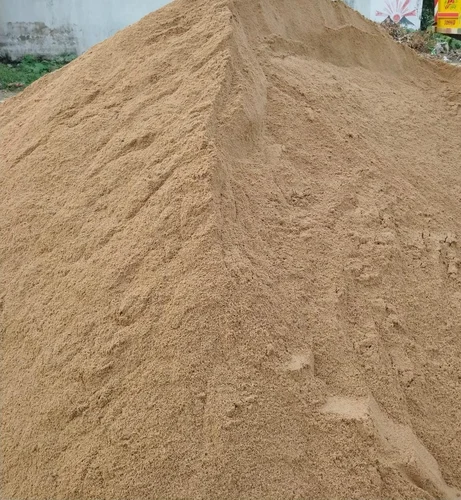
Brown Cource Construction Sand
Product Details
| Color | Brown |
|---|---|
| Usage/Application | Construction |
| Moisture | 10% |
| Coarse Type | Medium |
| Grade | A Grade |
| Density | 1.75 kg/m3 |
| Packaging Type | Loose |
Uses of Construction Sand
- Concrete Production: Sand is one of the primary components of concrete. It is mixed with cement and gravel or crushed stone to form concrete and provide workability and consistency.
- Masonry Work: Sand is a key ingredient in mortar used for bricklaying, plastering, and other masonry tasks.
- Road Construction: Sand can be used as a base layer for roads or as a component in asphalt production to provide stability and drainage.
- Landscaping: Used for leveling surfaces, improving drainage, and filling gaps between paving stones.
- Backfilling: Sand compacts well and is often used for filling trenches or excavations.
- Fill Material: Used to level uneven surfaces or provide a stable base before laying foundations or slabs.
Advantages of Construction Sand
- Versatility: Sand can be used in many construction and landscaping applications.
- Availability: Easily available from natural sources for construction projects.
- Workability: Improves the workability of concrete and mortar making them easier to mix and apply.
- Cost-Effective: Sand is relatively inexpensive compared to many other building materials.
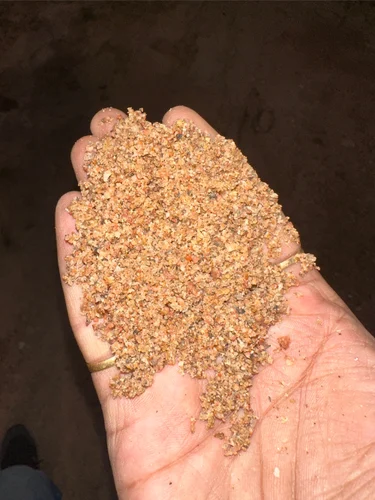
Brown Medium Construction Sand
Product Details
| Minimum Order Quantity | 1000 Cubic Feet |
|---|---|
| Color | Brown |
| Usage/Application | Construction |
| Water Absorption | 4% |
| Grade | A Grade |
| Moisture | 10% |
| Packaging Type | Loose |
| Bulk Density | 1680 kg/m3 |
Uses of Construction Sand
- Concrete Production: Sand is one of the primary components of concrete. It is mixed with cement and gravel or crushed stone to form concrete and provide workability and consistency.
- Masonry Work: Sand is a key ingredient in mortar used for bricklaying, plastering, and other masonry tasks.
- Road Construction: Sand can be used as a base layer for roads or as a component in asphalt production to provide stability and drainage.
- Landscaping: Sand is used in landscaping for leveling surfaces, improving drainage, or filling gaps between paving stones.
- Backfilling: Sand compacts well and is used to backfill trenches or excavations.
- Fill Material: Sand is used to level uneven surfaces or create a stable base before laying foundations or slabs.
Advantages of Construction Sand
- Versatility: Sand can be used in many construction and landscaping applications.
- Availability: Sand is widely available from natural sources, making it easy to procure.
- Workability: Fine sand improves the workability of concrete and mortar, making them easier to mix and apply.
- Cost-Effective: Sand is an economical material for various construction tasks.
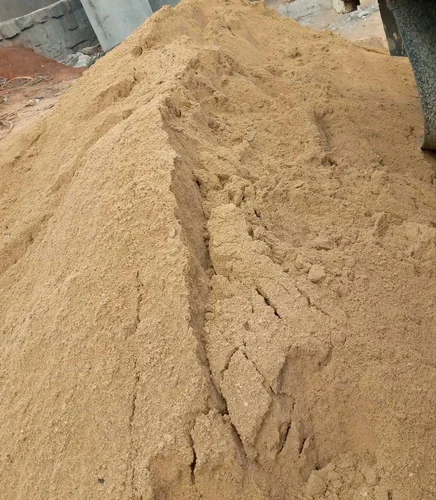
Brown Building Construction Sand
Product Details
| Minimum Order Quantity | 10000 Cubic Feet |
|---|---|
| Sand Type | River Sand |
| Type | Coarse sand |
| Color | Brown |
| Usage/Application | Construction |
| Application | Concreting, Flooring |
| Washed Type | Single Washed |
| IS Standard Compliance | IS 383 |
| Water Content | 4% |
| Density | 1.75 kg/m3 |
| Grade | A Grade |
| Water Absorption | 3.4% |
| Packaging Type | Loose |
Uses of Construction Sand
- Concrete Production: Sand is one of the primary components of concrete. It is mixed with cement and gravel or crushed stone to form concrete and improve workability and consistency.
- Masonry Work: Sand is used in mortar for bricklaying, plastering, and other masonry tasks, helping bind materials together.
- Road Construction: Sand is used as a base layer for roads or in asphalt production, providing stability and drainage.
- Landscaping: Used for leveling surfaces, improving drainage, and filling gaps between paving stones.
- Backfilling: Sand compacts well and is often used for filling trenches or excavations.
- Fill Material: Used to level uneven surfaces or create a stable base before laying foundations or concrete slabs.
Advantages of Construction Sand
- Versatility: Sand can be used in many construction and landscaping applications.
- Availability: Sand is widely available from natural sources.
- Workability: Fine sand improves the workability of concrete and mortar.
- Cost-Effective: Sand is an economical construction material.
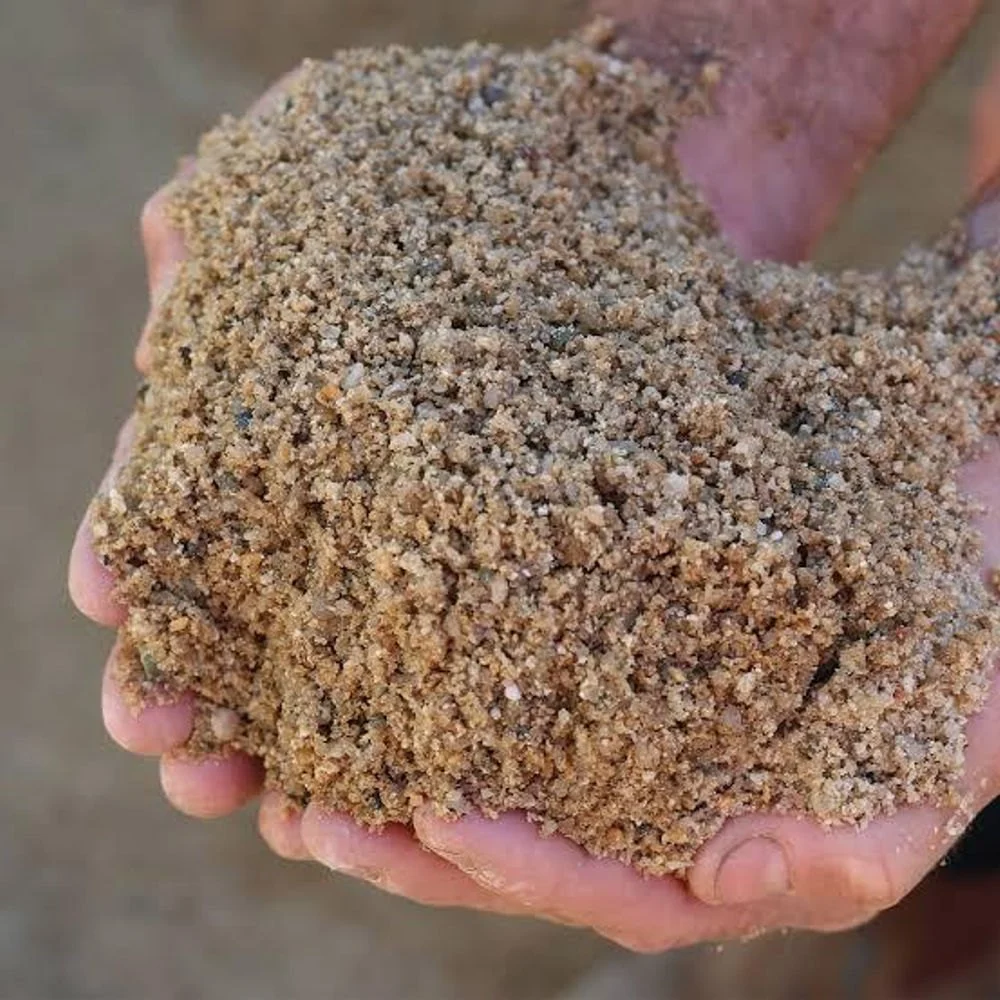
Yamuna River Medium Construction Sand
Product Details
| Minimum Order Quantity | 1000 Cubic Feet |
|---|---|
| Color | Brown |
| Usage/Application | Construction |
| Grade | A Grade |
| Moisture | 10% |
| Packaging Type | Loose |
| Bulk Density | 1680 kg/m3 |
| Water Absorption | 3.3% |
Uses of Construction Sand
- Concrete Production: Sand is one of the primary components of concrete. It is mixed with cement and gravel or crushed stone to form concrete and provide workability and consistency.
- Masonry Work: Sand is used in mortar for bricklaying, plastering, and other masonry work, helping bind materials together.
- Road Construction: Sand can be used as a base layer for roads or as a component in asphalt production to provide stability and drainage.
- Landscaping: Used for leveling surfaces, improving drainage, and filling gaps between paving stones.
- Backfilling: Sand compacts well and is commonly used to fill trenches or excavations.
- Fill Material: Used to level uneven surfaces or provide a stable base before laying foundations or concrete slabs.
Advantages of Construction Sand
- Versatility: Sand can be used in many construction and landscaping applications.
- Availability: Sand is widely available from natural sources.
- Workability: Fine sand improves the workability of concrete and mortar.
- Cost-Effective: Sand is an economical option for construction projects.
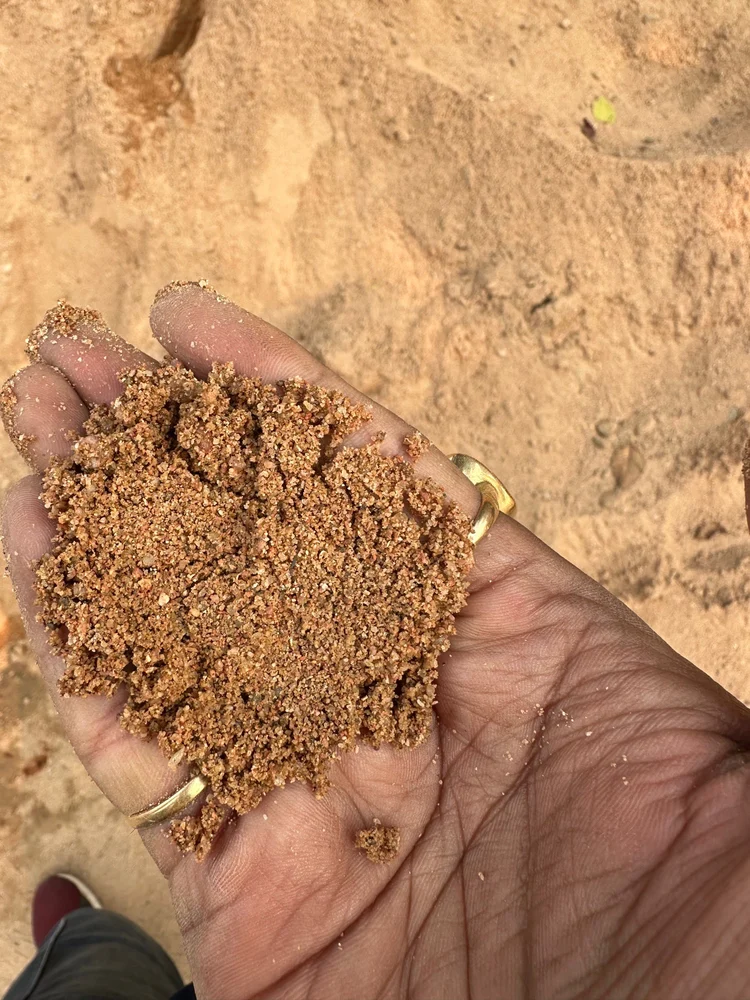
Yamuna River Coarse Construction Sand
Product Details
| Minimum Order Quantity | 1000 Cubic Feet |
|---|---|
| Type of Sand | River Sand |
| Application | Construction |
| Grading Zone | Zone II |
| Color | Brown |
| Packaging Type | Loose |
| Usage/Application | Construction |
| Grade | A Grade |
| Moisture | 10% |
| Bulk Density | 2.5% |
Uses of Construction Sand
- Concrete Production: Sand is one of the primary components of concrete. It is mixed with cement and gravel or crushed stone to form concrete and improve workability and consistency.
- Masonry Work: Sand is used in mortar for bricklaying, plastering, and other masonry tasks, helping bind materials together.
- Road Construction: Sand can be used as a base layer for roads or as a component in asphalt production, providing stability and proper drainage.
- Landscaping: Used for leveling surfaces, improving drainage, and filling gaps between paving stones.
- Backfilling: Sand compacts well and is used for filling trenches or excavations.
- Fill Material: Sand is often used to level uneven surfaces or create a stable base before laying foundations or slabs.
Advantages of Construction Sand
- Versatility: Sand can be used in a wide range of construction and landscaping applications.
- Availability: Sand is widely available from natural sources, making it easy to procure.
- Workability: Fine sand improves the workability of concrete and mortar.
- Cost-Effective: Sand is an economical construction material.